December 23rd 2025
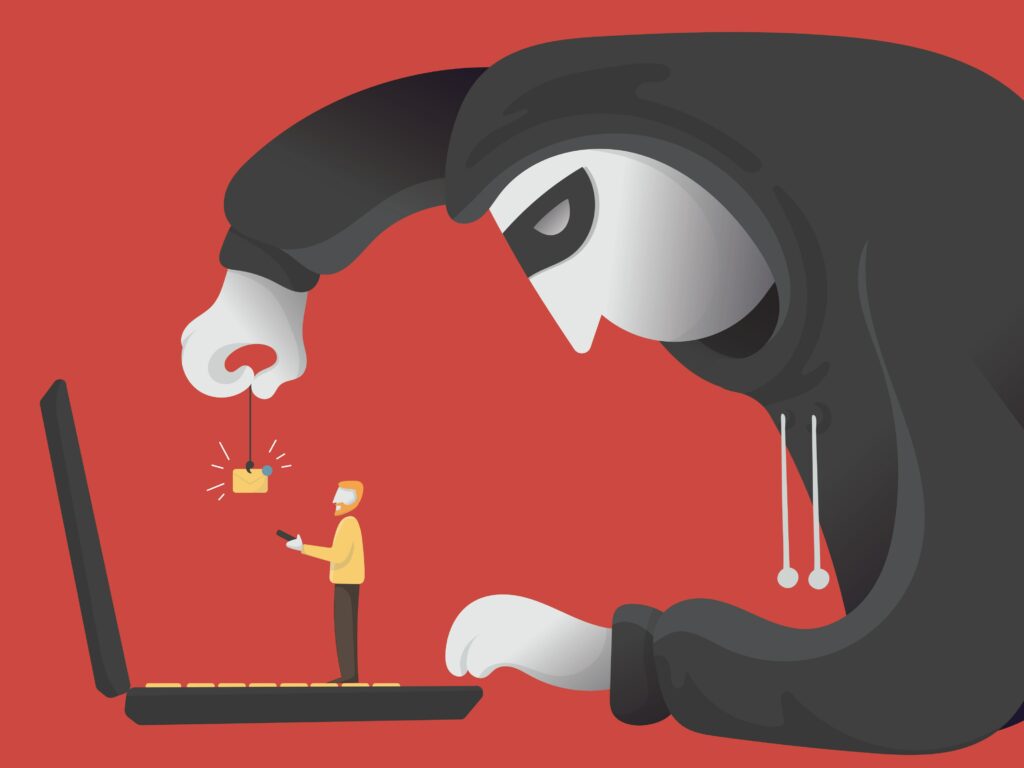
Christmas is a busy time. Many of us are shopping online, waiting for deliveries, donating to charities and taking a break from our usual routines. Scammers know this and use the festive rush to trick people into giving away money or personal information.
This December, the Digital Care Hub team shared the 12 scams of Christmas across our social media channels to help care providers, care staff and the wider public stay safe online. If you missed them, you can still catch up on LinkedIn, Facebook and X, where our team sent short, practical messages about each scam.
Below is a summary of the 12 scams to look out for and how to protect yourself.
1. Fake delivery texts
You receive a message saying a parcel could not be delivered and asking you to pay a small fee or update your details. These messages often look genuine, especially when you are expecting Christmas orders. The link takes you to a fake website that steals your card details. Always check deliveries directly through the retailer and never click unexpected links.
2. Gift card scams
Scammers send emails or messages pretending to be a manager or colleague, asking you to urgently buy gift cards and share the codes. Gift cards are popular with scammers because they are untraceable. No organisation asks for payment this way. If you receive a request like this, stop and check directly with the person.
3. Fake charity appeals
Christmas is a time of generosity, which scammers exploit. Fake charity emails and social media posts copy real branding to look legitimate. If you want to donate, go directly to the charity’s official website rather than clicking on links sent to you.
4. Online shopping scams
Fake websites appear every December offering big discounts on popular gifts. They take your money and never deliver the item. Before buying, check reviews, look for clear company details and make sure the site uses secure payment methods.
5. Christmas e card malware
Some festive e cards contain malware that downloads onto your device when opened. If you receive an e card from someone you do not recognise, or the message seems odd, delete it. Do not download attachments unless you are expecting them.
6. Fake competitions and giveaways
Scammers post fake competitions on social media claiming you have won a prize or can enter by clicking a link. These links collect personal information or install malware. Always check that the account is verified or officially linked to the brand.
7. Holiday booking scams
Fake holiday listings advertise attractive homes or discounted hotels that do not exist. Only book through trusted platforms and never pay by bank transfer. If a deal feels suspicious, trust your instincts.
8. Social engineering phone calls
Over Christmas, scammers take advantage of reduced staffing. They call pretending to be IT support or a service provider and claim something urgent, such as an account being locked. They then ask for passwords or login details. Real IT teams will never ask for this information. Hang up and contact the organisation directly.
9. Fake refund emails
You may receive an email saying you are due a Christmas refund for an overpayment. The link leads to a fake site designed to steal your banking details. Genuine refunds are usually processed automatically. Check your real account instead of clicking links.
10. Subscription renewal scams
Emails claim to be from services like Netflix, Amazon or antivirus providers, warning that your subscription is about to expire. They pressure you to update payment details urgently. Always check subscriptions through the official app or website.
11. QR code traps
Scammers place fake QR stickers over real ones on posters, menus or vouchers. Scanning them can take you to unsafe websites. If a QR code looks tampered with or out of place, do not scan it. When unsure, type the web address manually.
12. “Too good to be true” loans
Scammers advertise easy loans or fast credit with no checks, knowing Christmas can be expensive. They ask for an upfront fee or personal details. Legitimate lenders never ask for payment before providing a loan. If it feels too good to be true, it usually is.
If you missed our daily scam warnings, you can still catch up by following Digital Care Hub on LinkedIn, Facebook and X, where our team shared short messages explaining each scam and how to avoid it.
Staying alert and sharing this information with colleagues, friends and family can help everyone stay safer online this Christmas.
View all News