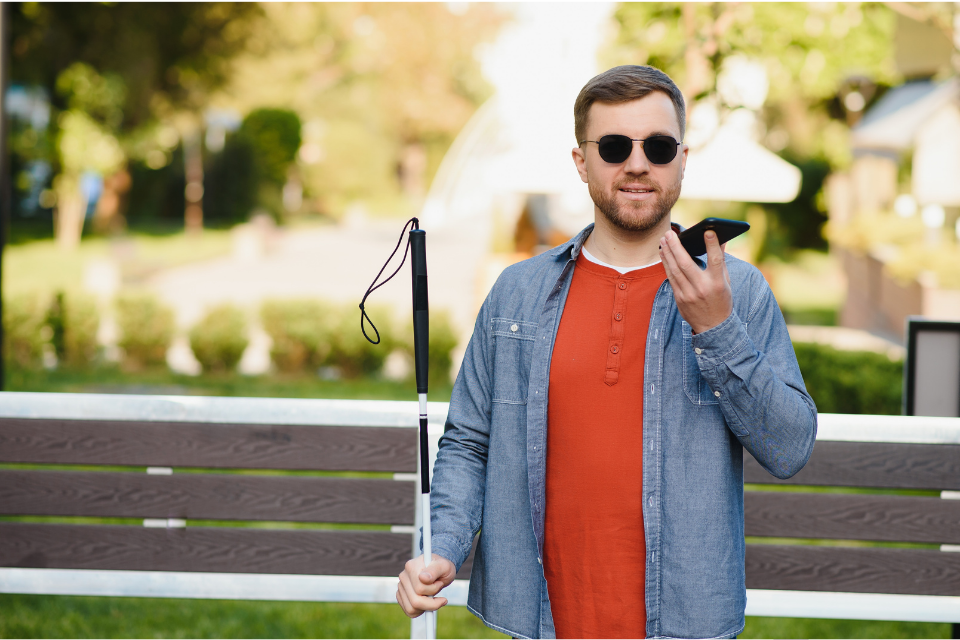
What impact can smart light technology make in social care settings? Inspired by a trial led by Lancashire and South Cumbria ICB, the panel discuss coordination and installation, on-the-ground experience, and share data-driven insights.
Date of webinar: 14 May 2026
Backed by 3 years of funding, Lancashire and South Cumbria ICB have worked collaboratively with around 80 care homes in their area to instal 800 Nobi Smart Lights, targeting homes with the highest falls risk. In this 90 minute webinar, we hear from those who coordinated the programme, a selection of managers who took part in the trial, and about independent evaluation of the trial by Lancaster University.
Read a summary and view the recording below.
Webinar Summary
Presenters / Speakers:
Mazz Akhtar, Lancashire and South Cumbria ICB
Rohan Matthew, Albert House Care
Mark Radcliff, Bluebell House
Carol Holland, Lancaster University
Chair: Fiona Florey, Digital Care Hub
Thank you to the presenters and speakers for joining us as part of this webinar.
The ultimate take-away from this webinar?
The Lancashire and South Cumbria ICB Nobi Smart Light trial presents a strong case that smart light technology can improve fall prevention, speed of response, care planning, resident dignity, and staff decision-making, while also showing measurable reductions in falls and ambulance callouts.
About the trial
Around 800 Nobi smart lights were installed across 80 care homes in Lancashire and South Cumbria, with the programme funded through the Adult Social Care Digital Transformation Fund and delivered through a phased, structured rollout.
Homes were selected using a data-led approach that prioritised those with the highest falls risk, drawing on ambulance call-out data and provider-reported falls data, while also ensuring proportional coverage across the region. The programme targeted around 20% of bedrooms in each participating home, enabling providers to focus the technology on residents most at risk while assessing its impact across a representative sample.
Care home managers’ insights:
- Care providers reported practical benefits: faster alerts, fewer unwitnessed falls, better understanding of what caused incidents, and more personalised care planning.
- Some managers were initially reluctant but now feel the tech should be compulsory in some environments.
- The lights helped staff move from reactive care to proactive care by revealing patterns in residents’ behaviour, and the playback and visual evidence helped staff identify what actually happened during an incident.
- One resident experienced a 60% reduction in falls and one of our speakers felt the tech likely saved a resident’s life (by helping staff understand repeated falls and intervene more effectively).
- Some felt the smart light technology resulted in less restrictive, more dignified care, especially overnight.
Key findings from the Lancaster University report and insights:
- When using the smart lights, falls per resident dropped by 32%, with fall risk dropping by 33%.
- Significantly, average staff response times improved from about 11 minutes to under 3 minutes.
- Overall, ambulance call-outs and hospital conveyances fell by about 23–24%, showing a cost as well as clinical impact.
- A key takeaway was that the technology is not meant to replace staff, but to help redeploy attention more effectively, reduce restrictive practices, and improve resident dignity and safety.
- These findings are statistically robust, with controls applied for factors like time/seasonality, resident variability and age and gender.
Please note: Other smart light options are available.